Words
Uprooted — Visualising a Dialogue with Olive Wood
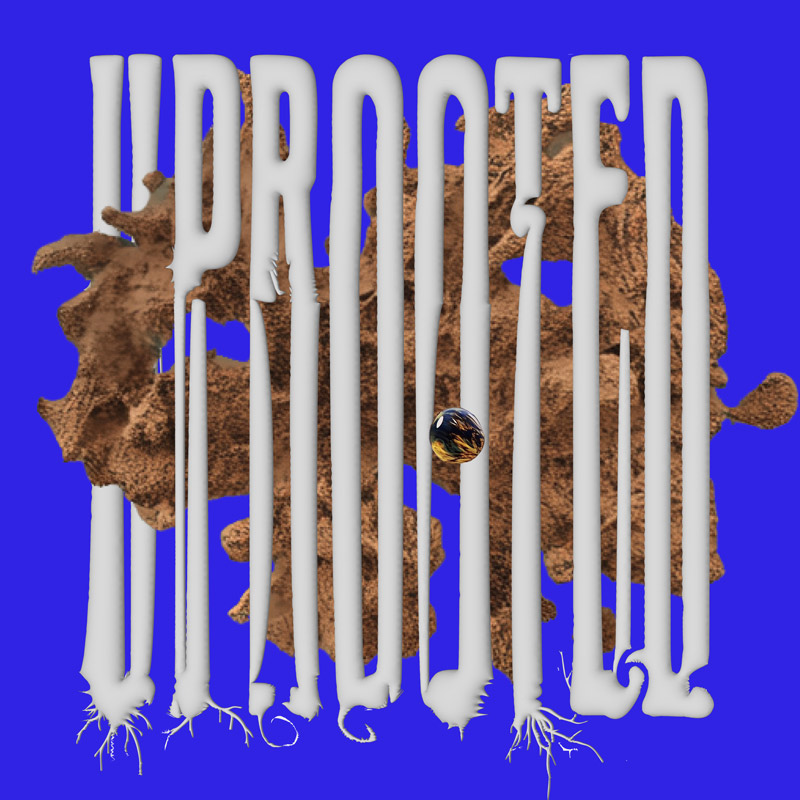
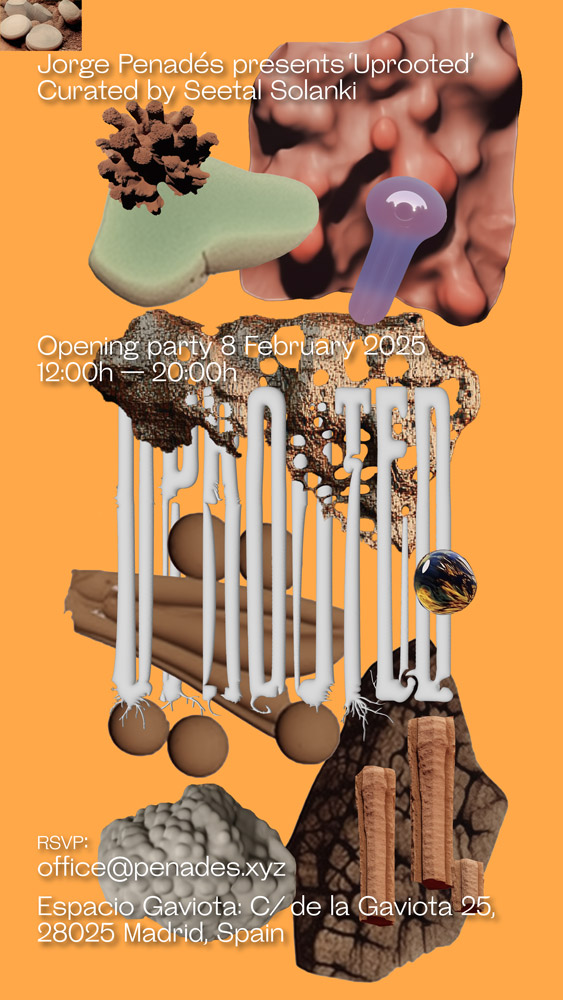
For the material-driven project Uprooted by Jorge Penadés — a decade-long exploration into the overlooked potential of olive wood and the socio-environmental impacts of intensive olive-oil production in Andalusia — I was invited to collaborate by translating his “interview with olive wood” into a fully realised visual campaign.
Penadés’s research asked 99 deliberate questions to olive-tree roots, exploring how the material reacted to carving, steaming, sand-blasting, and other interventions. His aim was to move away from forcing materials into pre-set industrial forms and instead adopt a “material-led” approach: to listen, respond and let the inherent qualities of the wood inform the design.
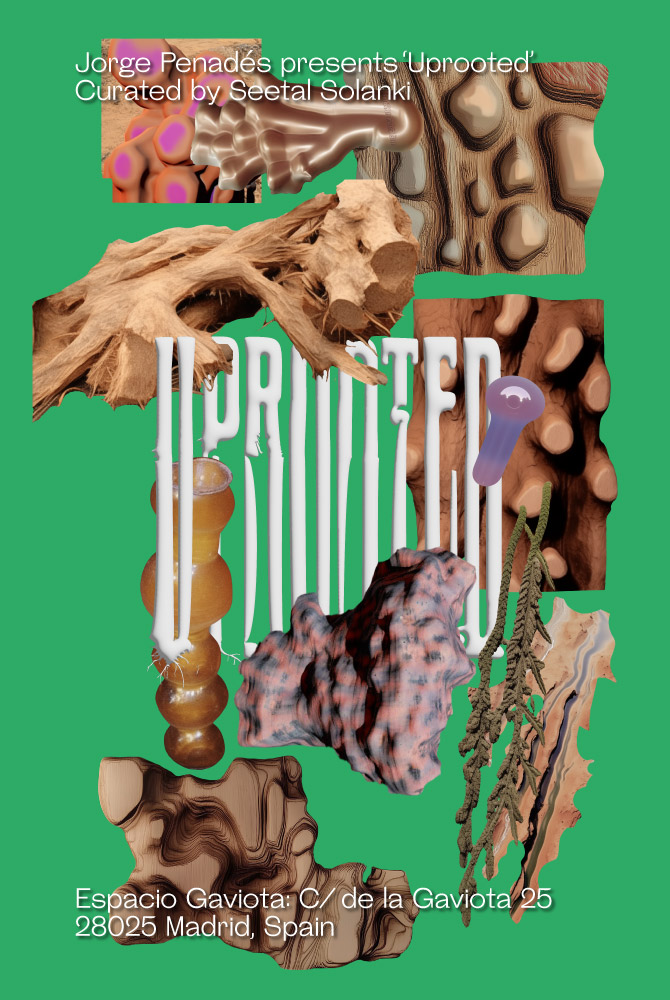
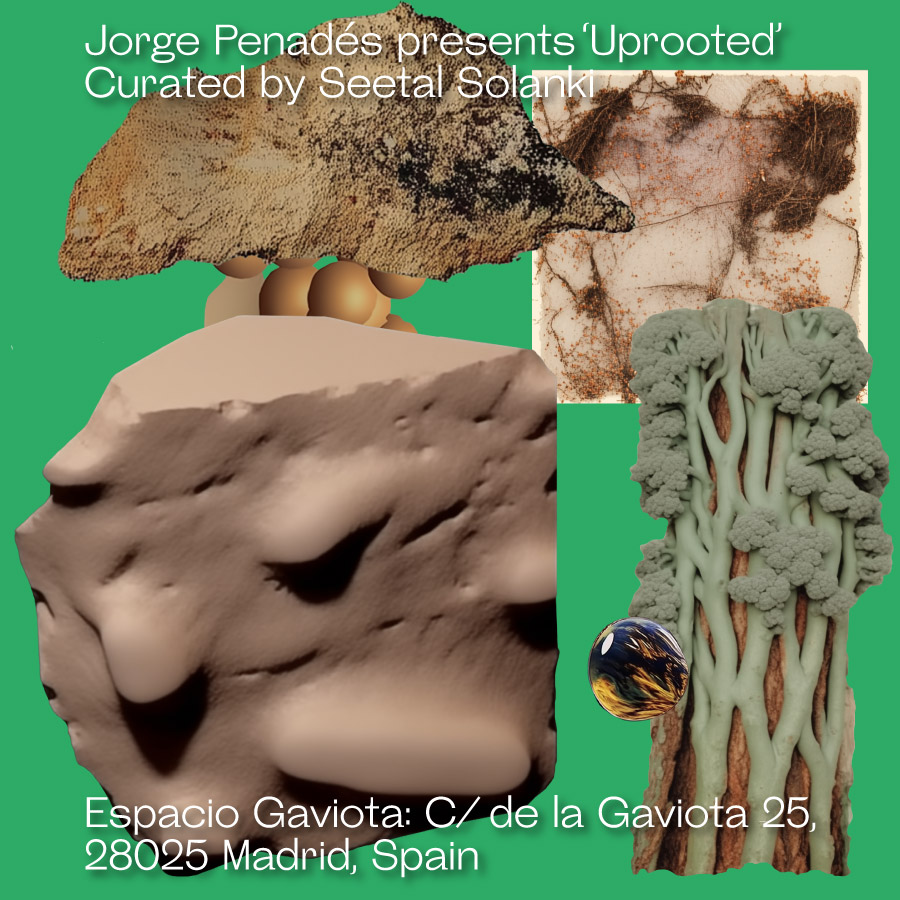
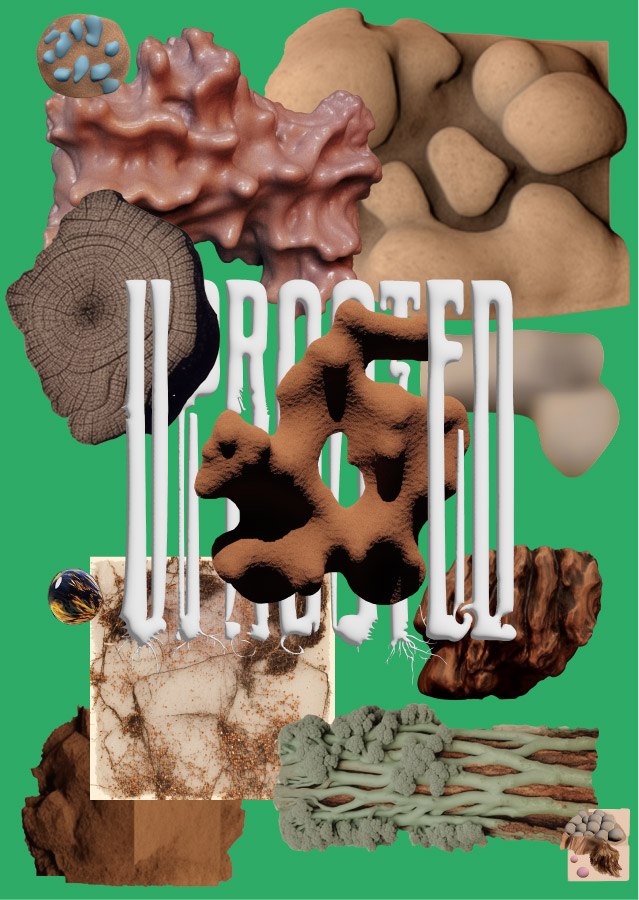
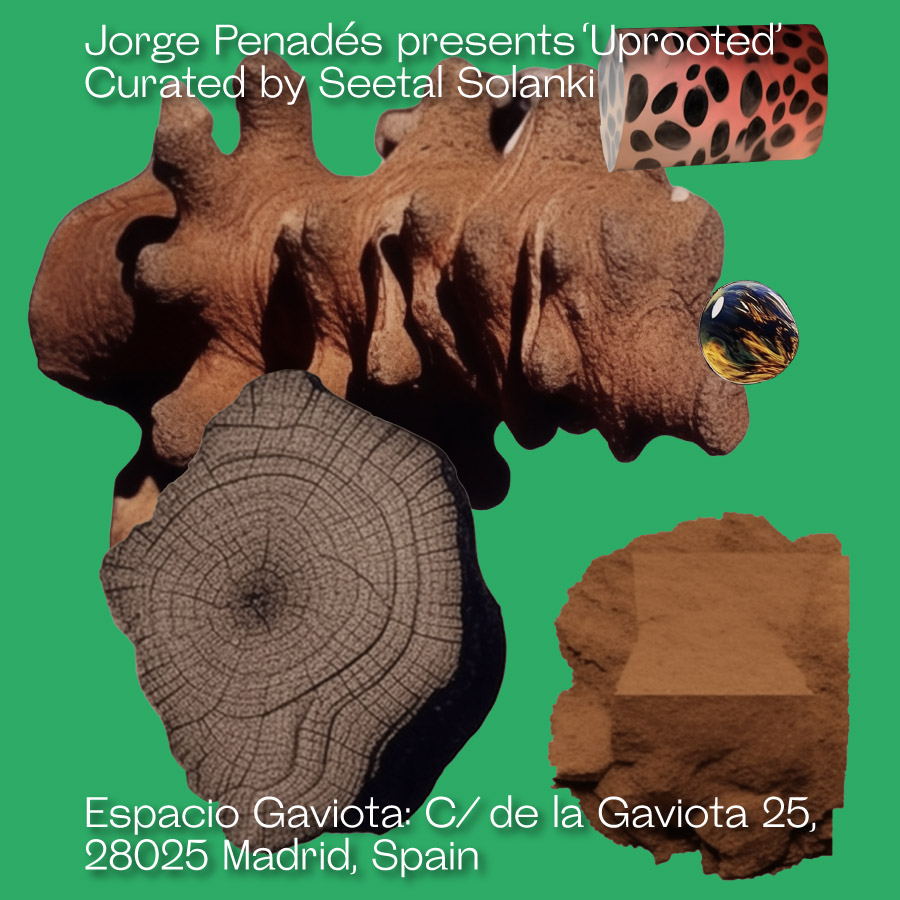
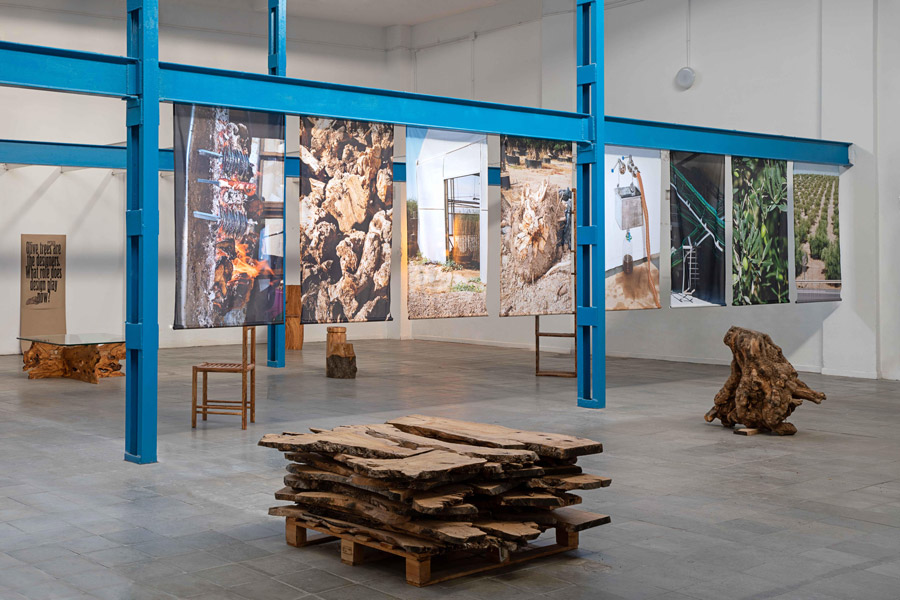
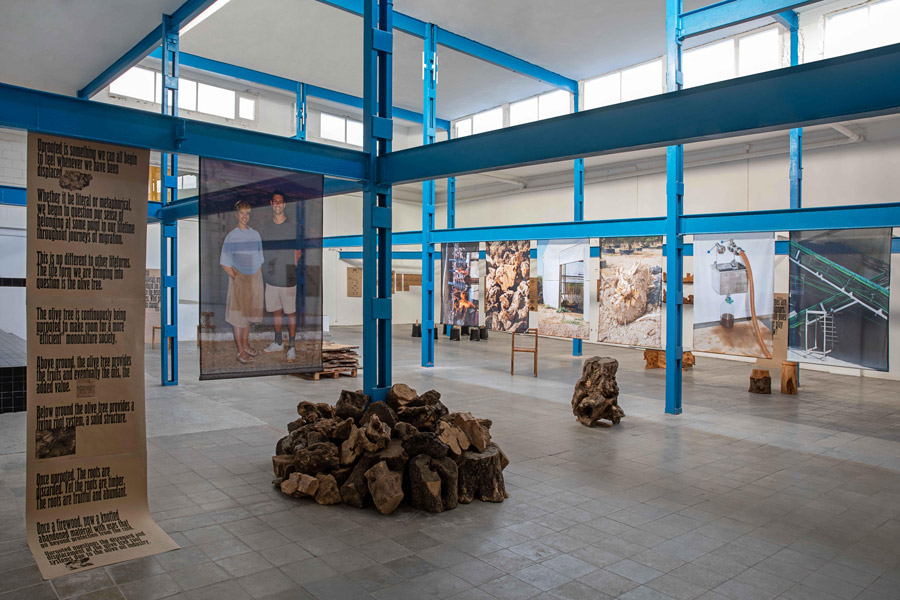
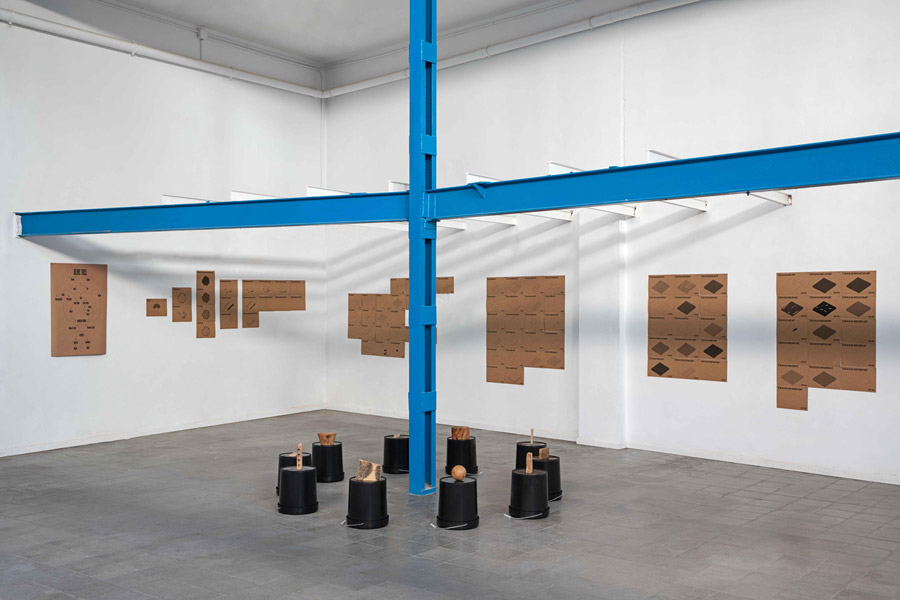
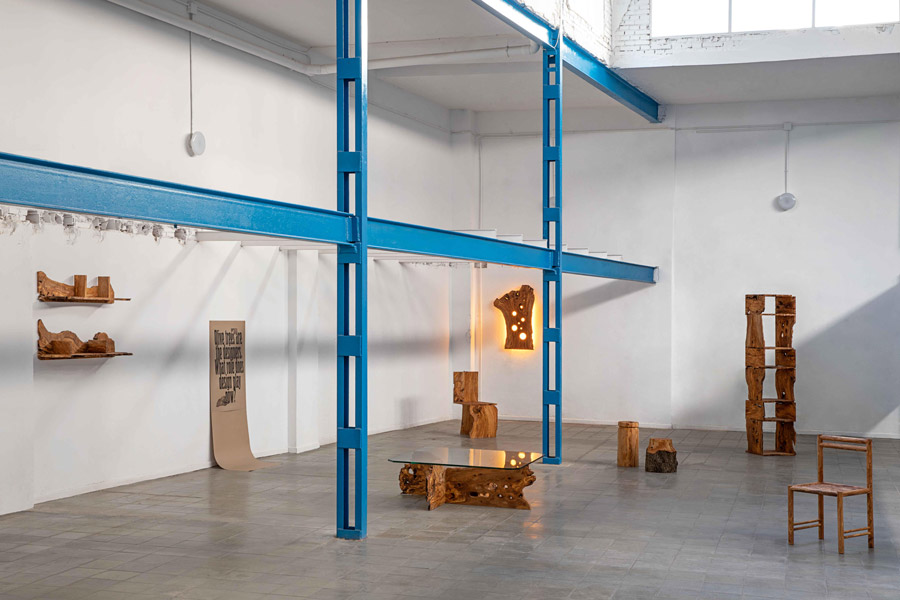
My role was to take that conceptual foundation and render it into the visual language of the campaign. I developed the full spectrum of graphic design — from online to offline — and applied spatial design for the exhibition at Espacio Gaviota in Madrid. The objective: to make visible the conversation between designer and material, the history of the olive-wood, the labour and the ecological questions, and the sculptural outcome of that dialogue.
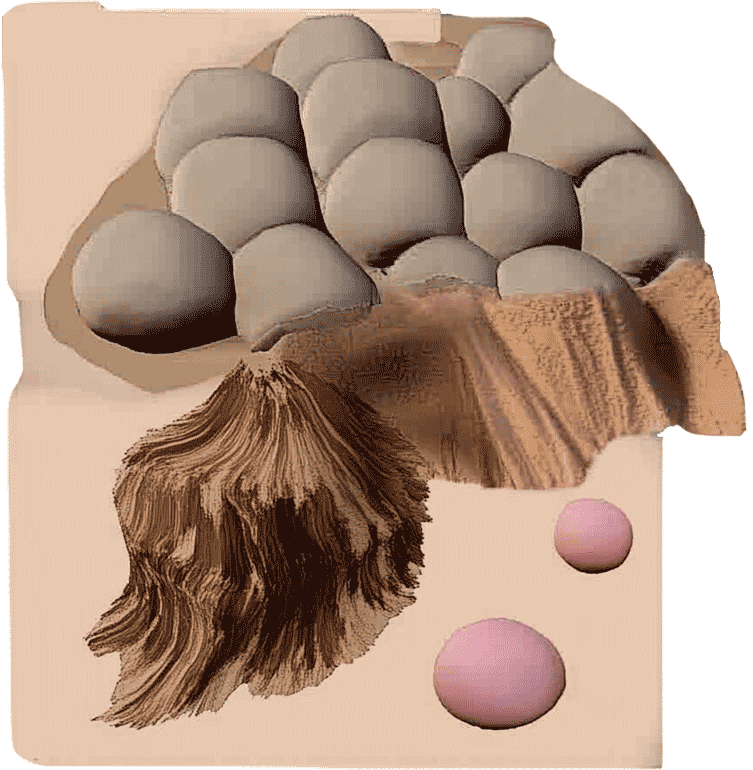
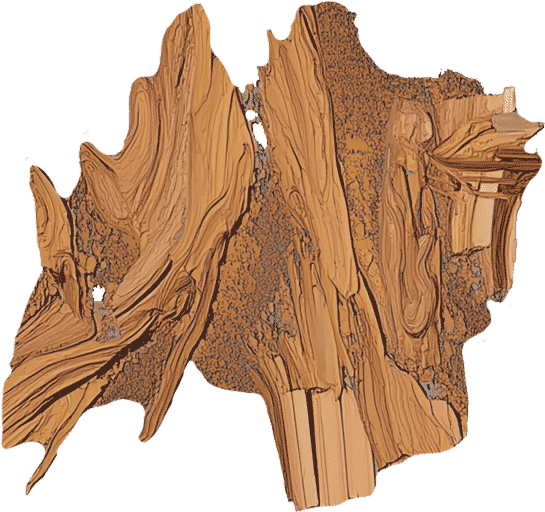
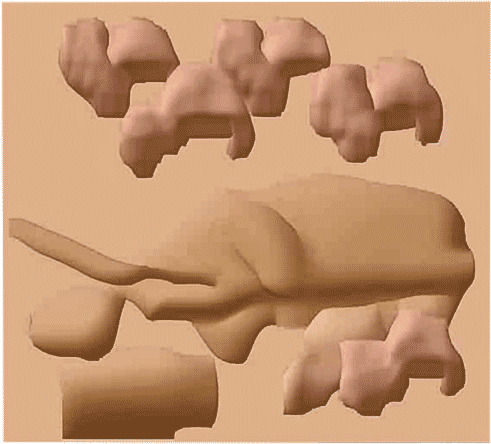
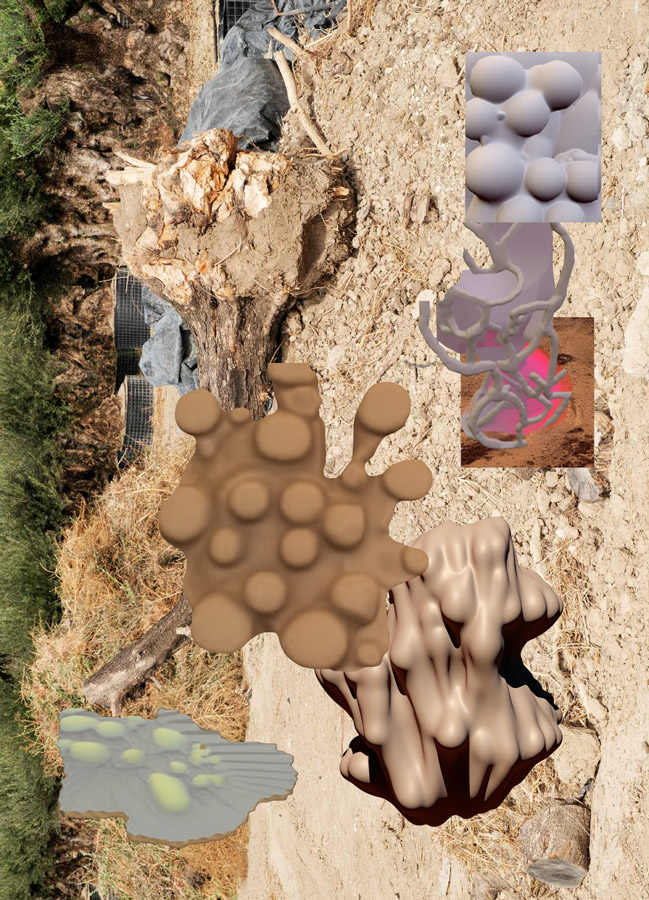
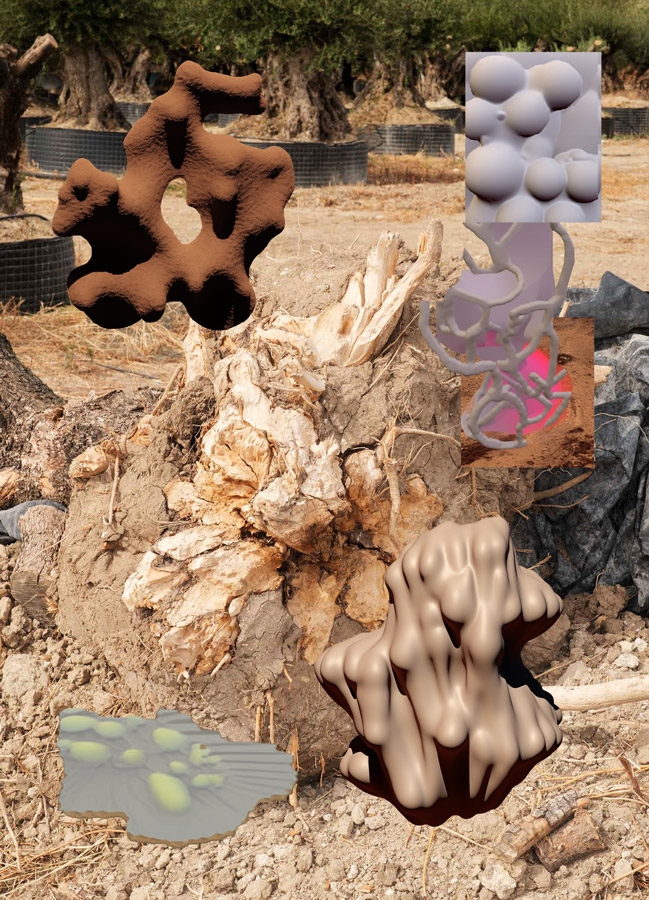
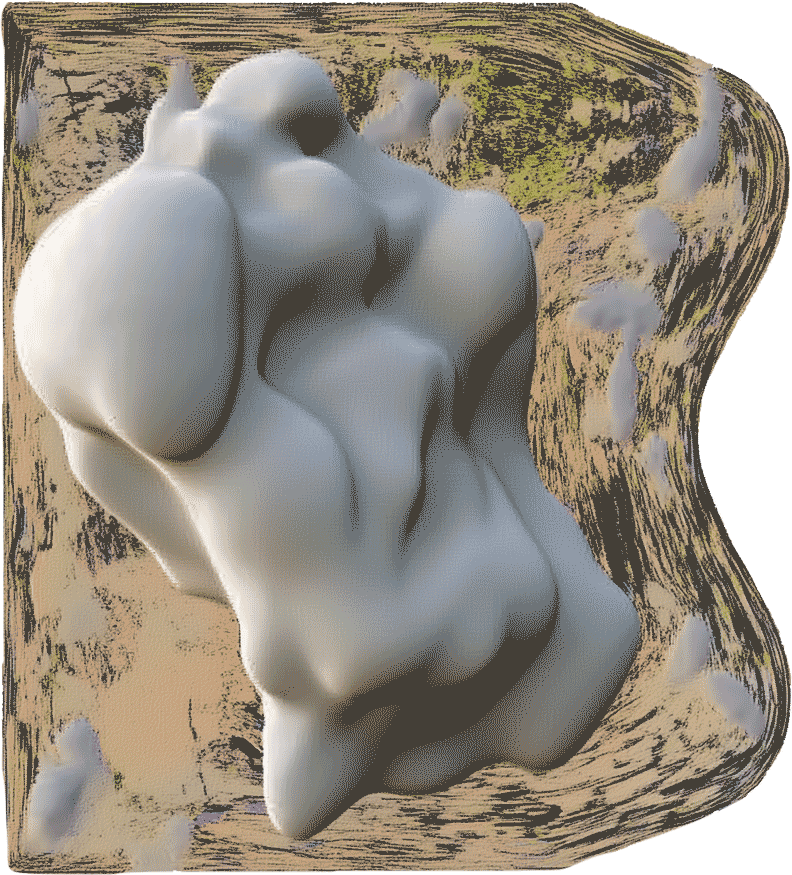
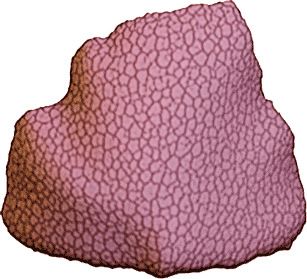
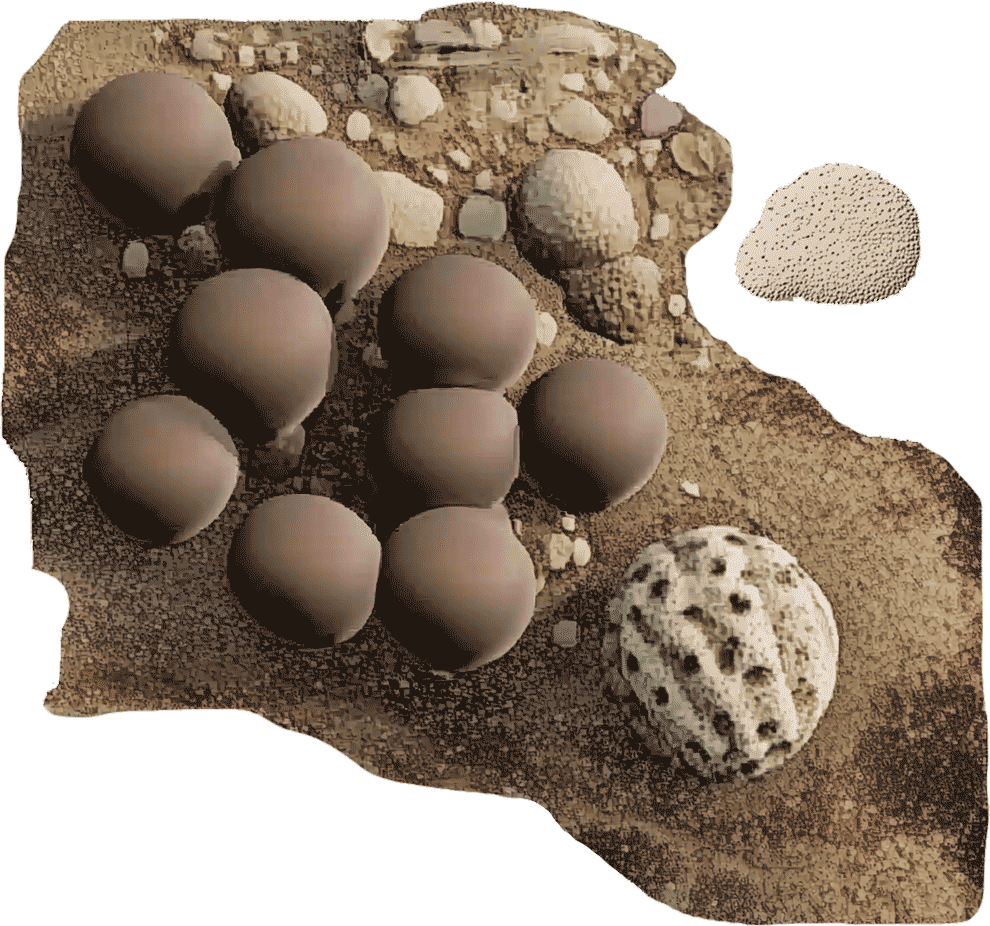
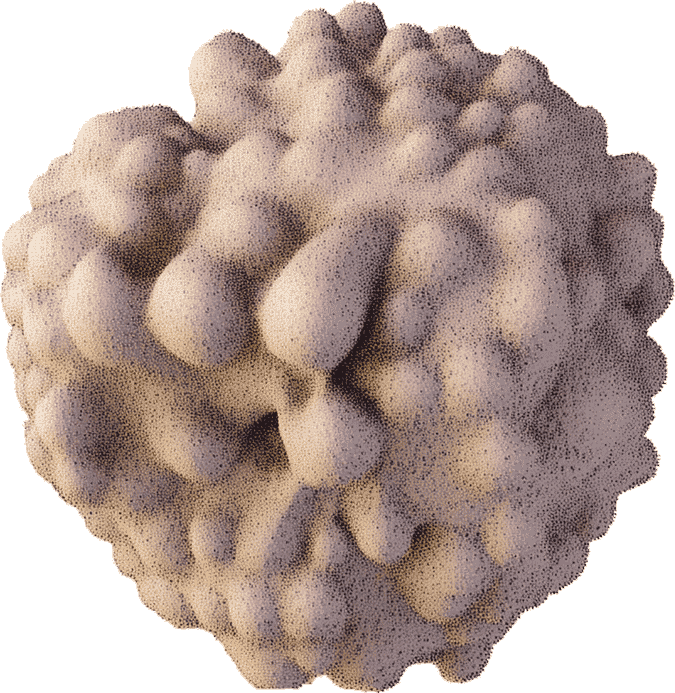
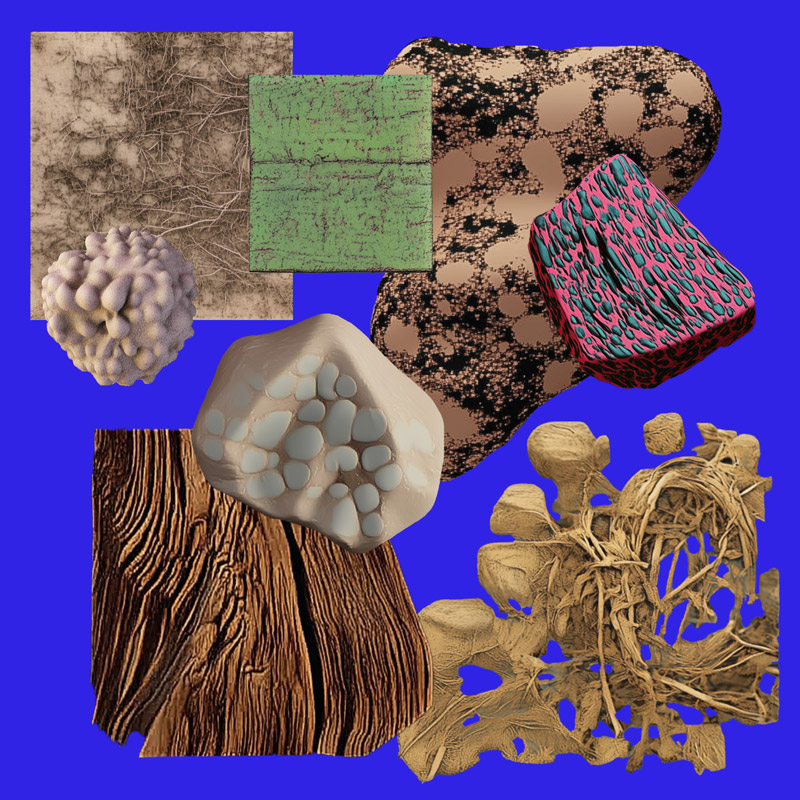
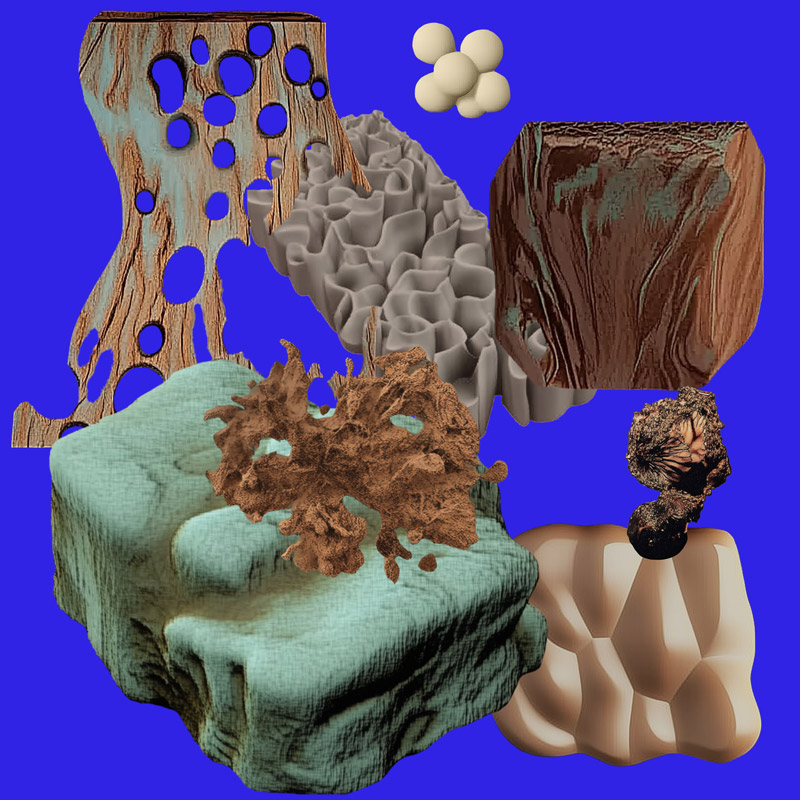
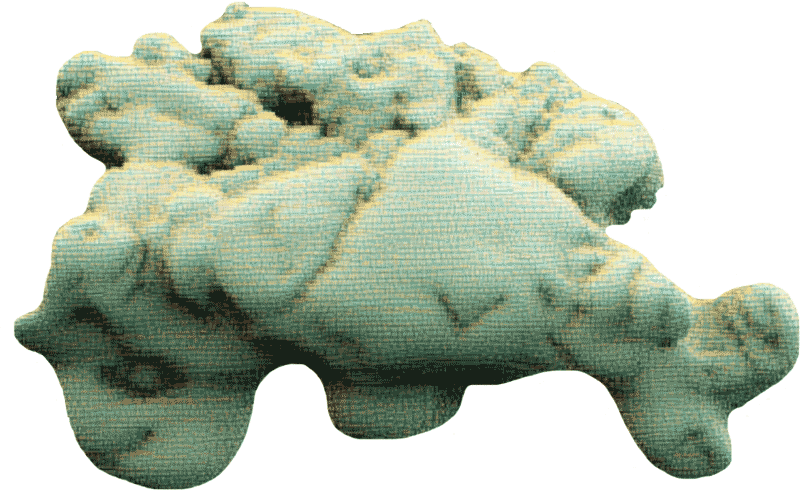
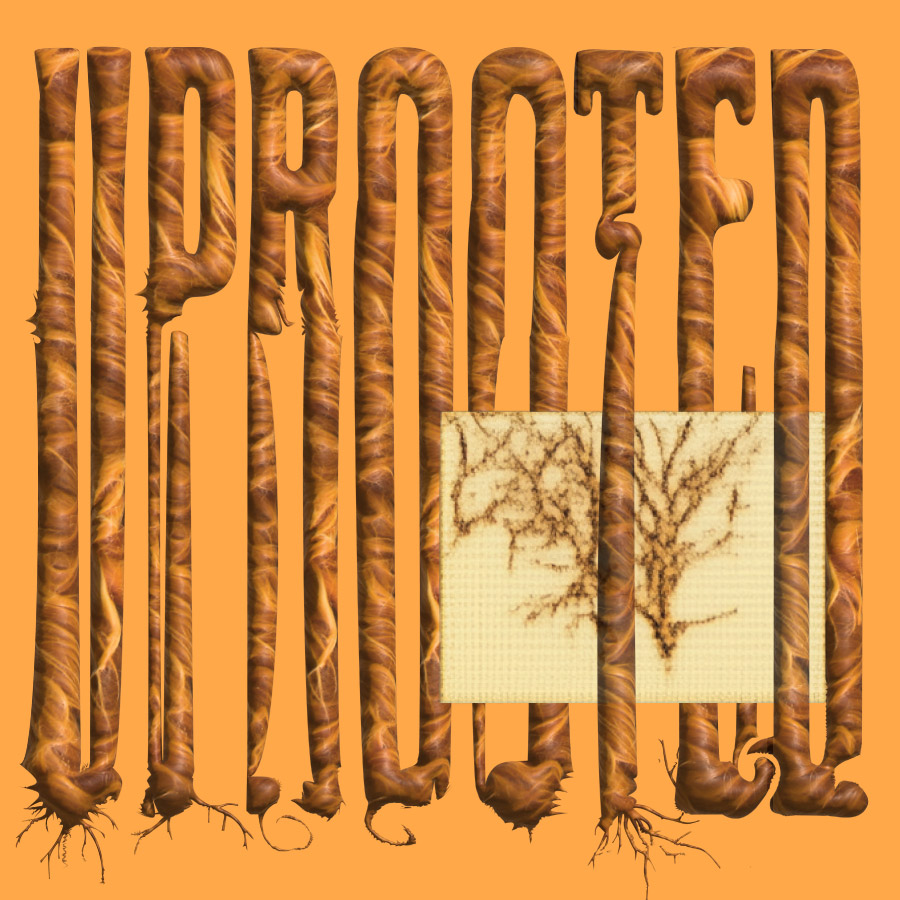
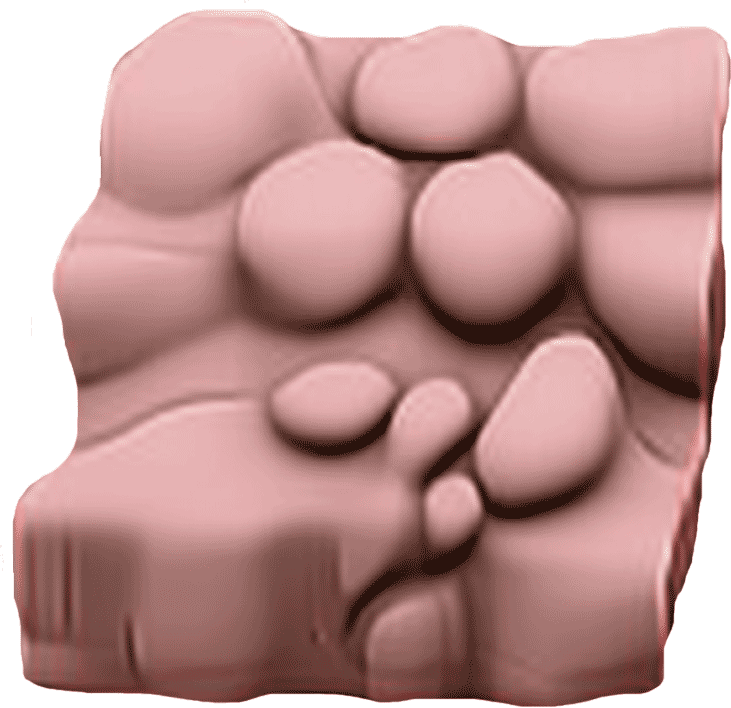
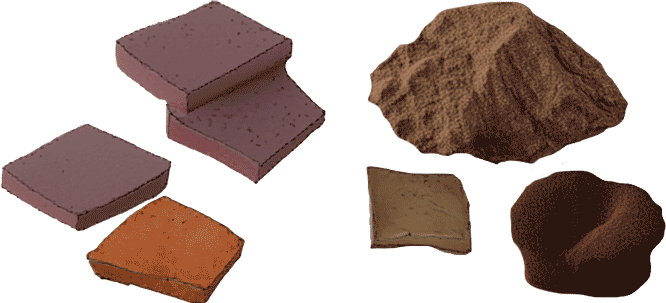
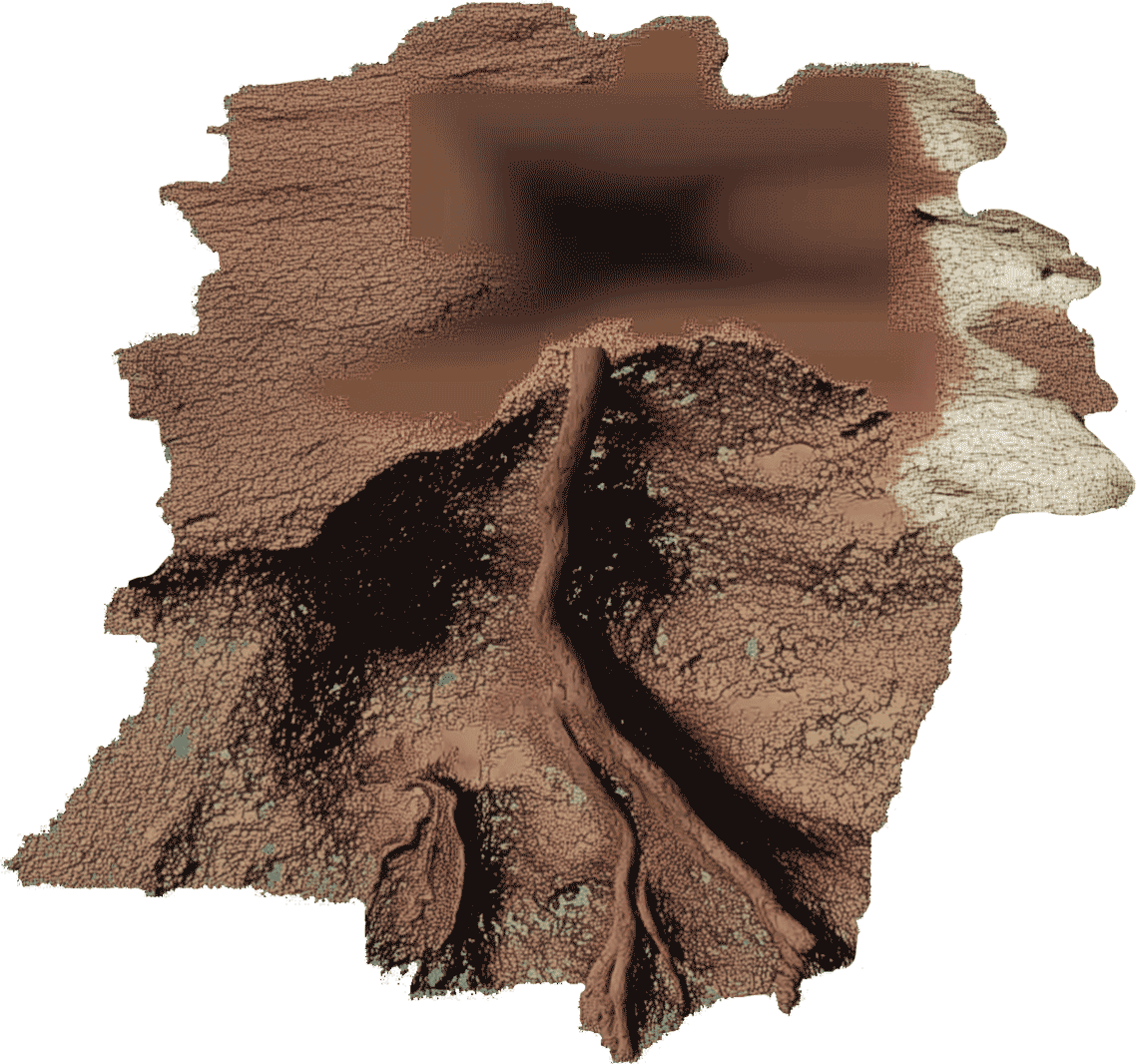
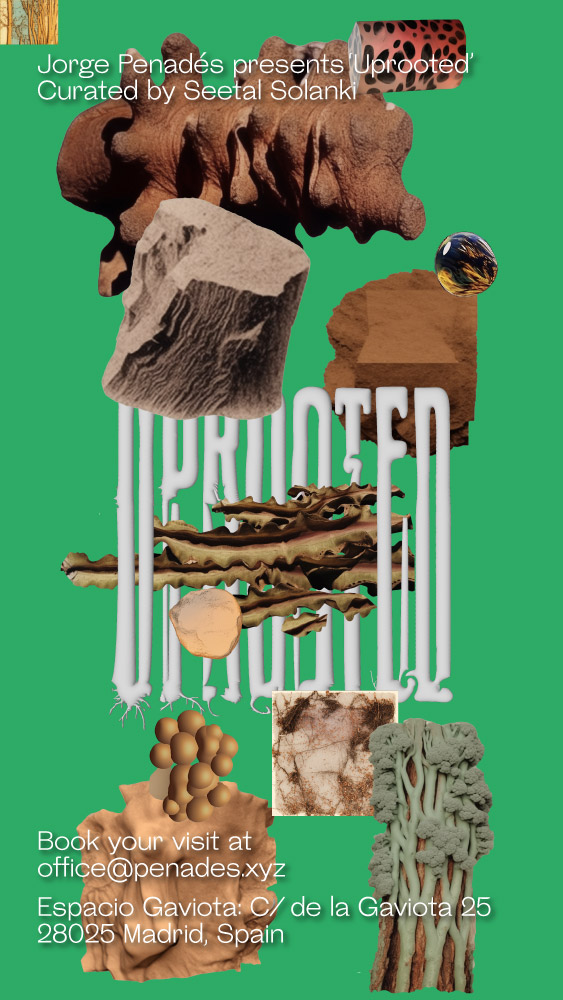
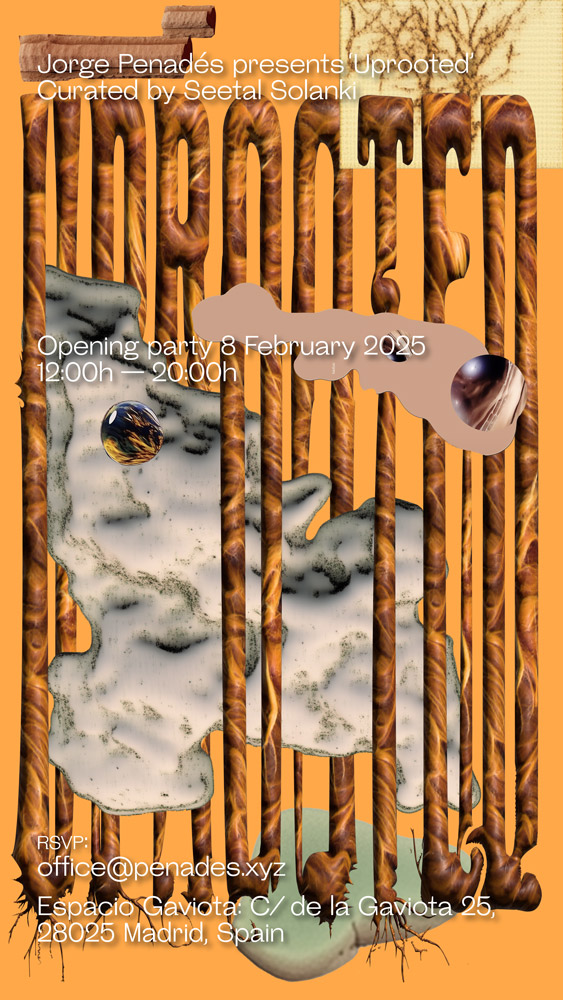
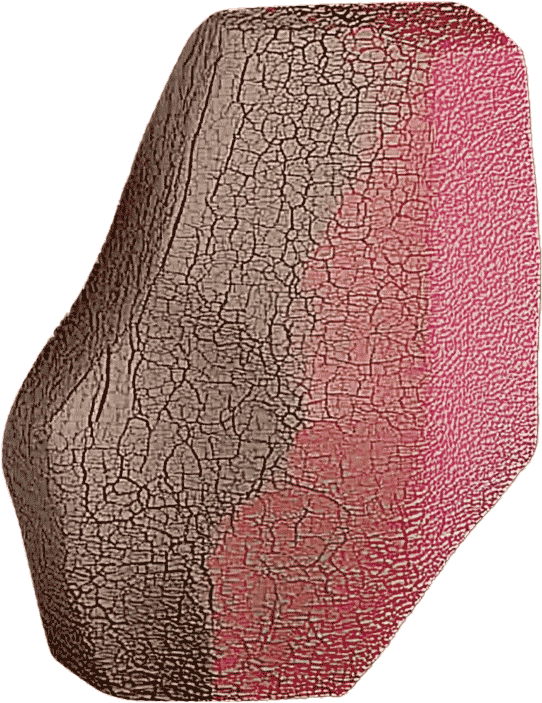
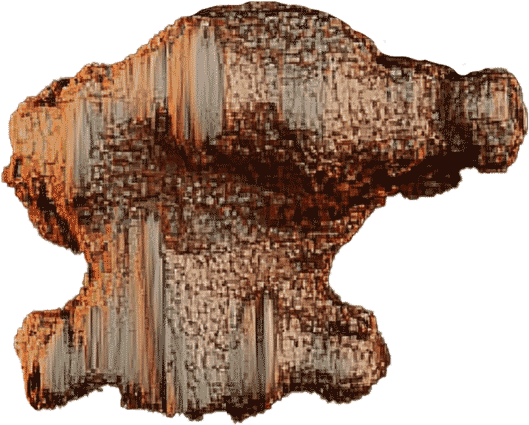
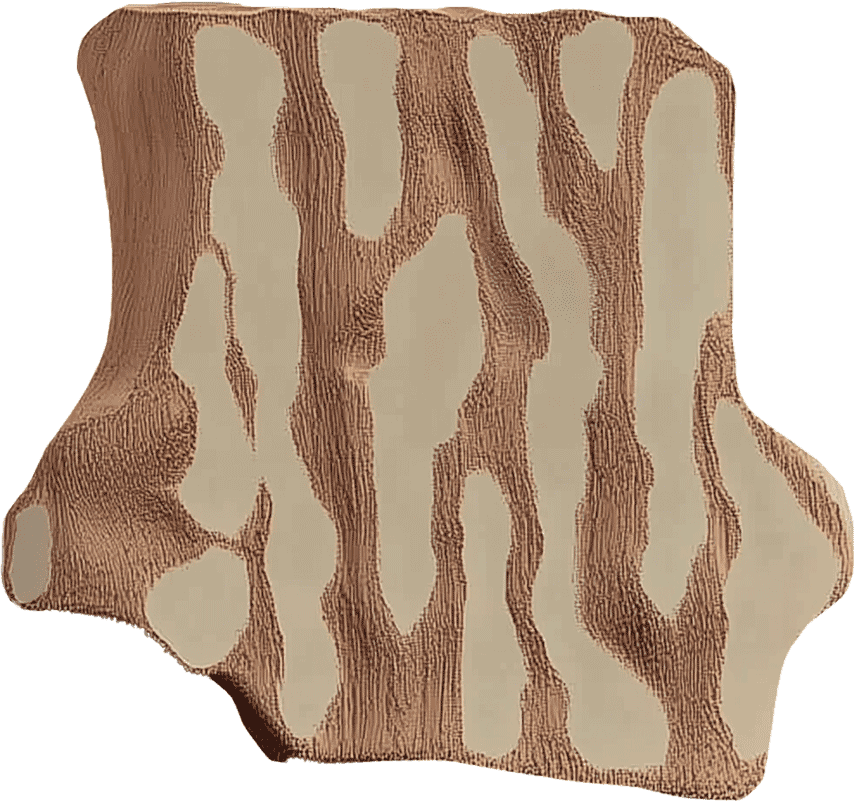
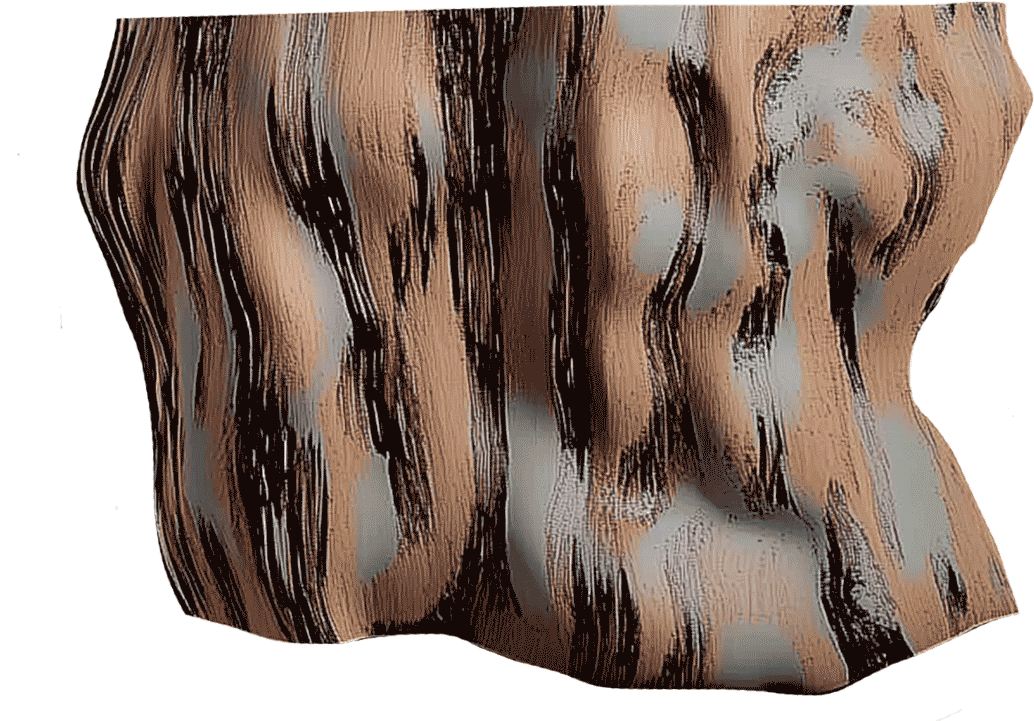
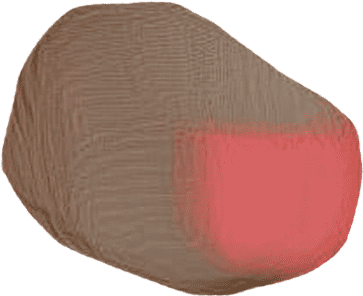
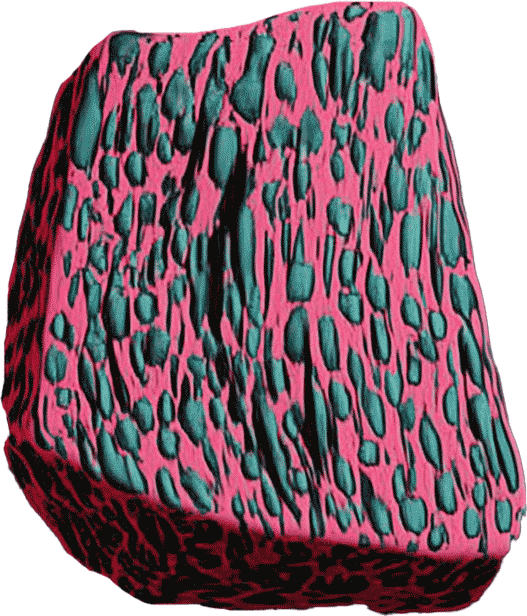
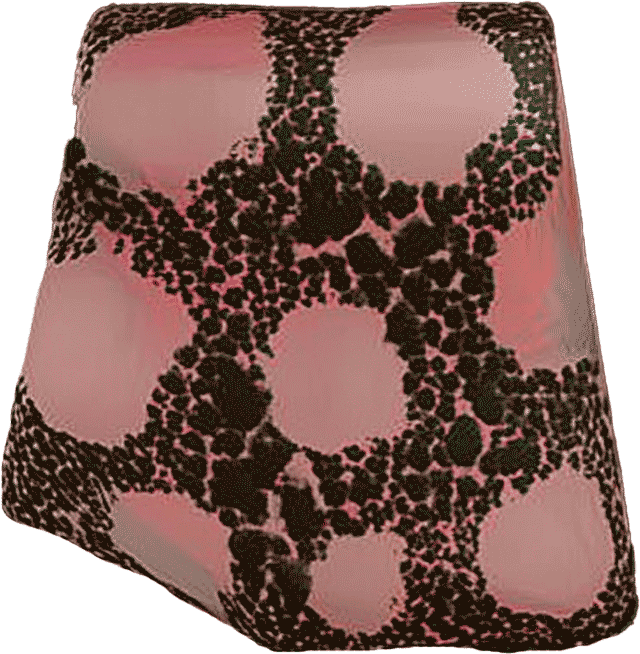
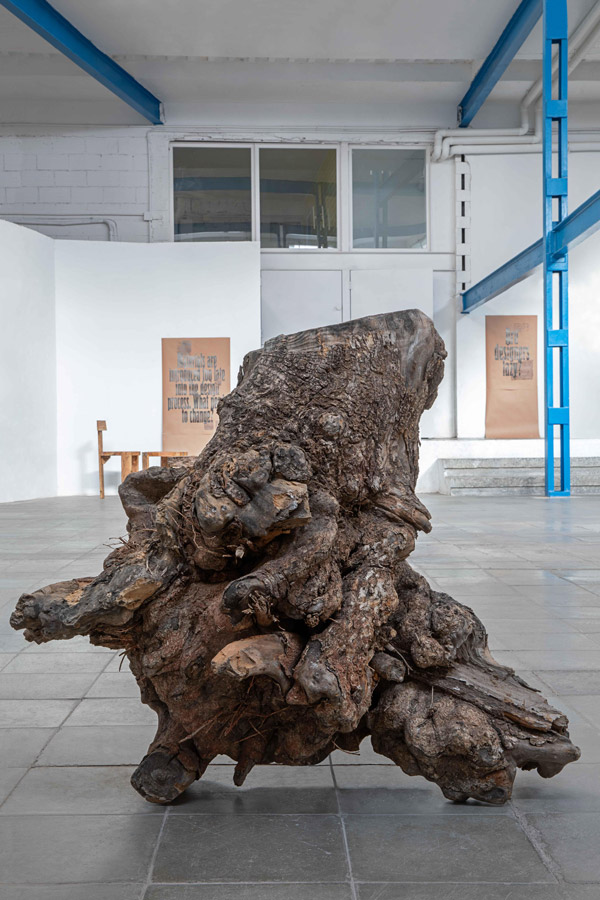
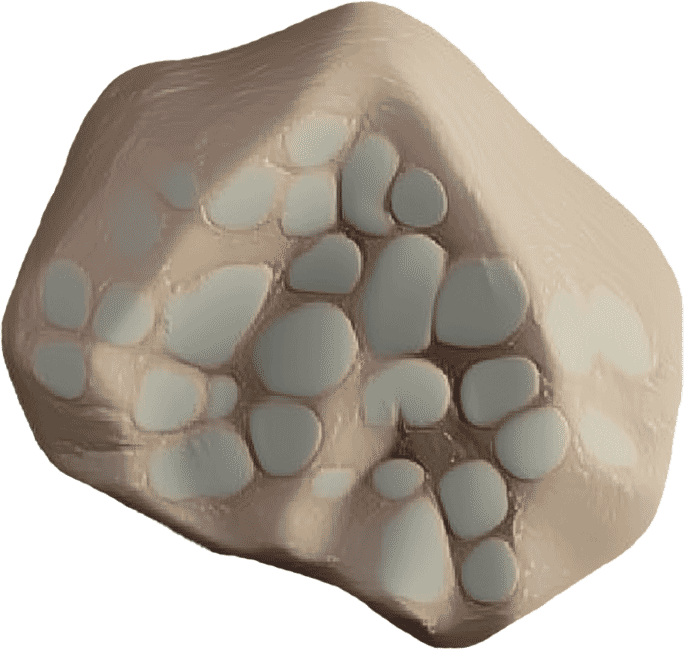
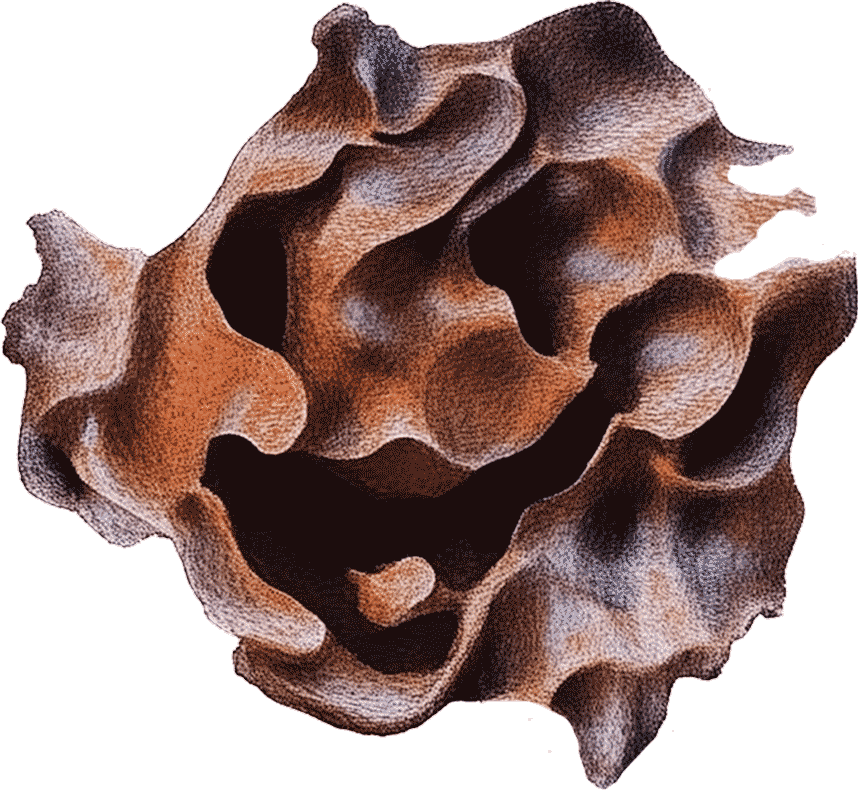
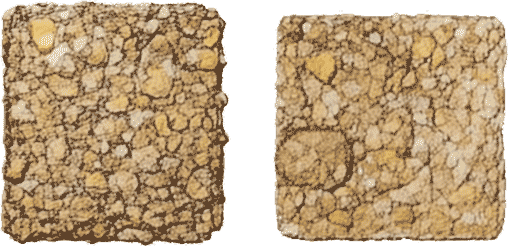
The campaign visualised the irregular textures and unexpected forms of olive roots, the marks of extraction, the knots and embedded stones, the root-systems that industrial processing passed by. It used photography, typography, layout and environmental graphics to reflect the tension between the industrial standard and the material’s wild, compressed energy. At the exhibition, the spatial design allowed visitors to walk through the stages of the research: from root-raw to processed object, from data and questions to artefact, immersing them in the ‘interview’ process that Penadés undertook.
In doing so, the campaign became more than promotion — it was a narrative device. It connected the viewer to the material agency of olive wood, to the history of cultivation and extraction, to the re-valorisation of what was previously considered waste. By giving the material a voice, and then visualising that voice, we invited the audience to pause, to ask their own questions: What are the consequences of industrialisation? What can we learn from letting materials lead instead of imposing form? How might design honour irregularity, specificity and origin?
My contribution, from the strategic concept to final deliverables, sought to mirror Penadés’s research ethos in the realm of visual communication — aligning my background in analog/digital hybridity and the blending of material and meaning with his experimental material process.
Short version. Discover more on desktop.